

Last month, I had the pleasure of participating in the International Youth Conference on Energy (IYCE’24) held from 2 to 6 July 2024 in Colmar, France. I presented our paper, “Energy Efficiency and Optimal Operation of a Residential Microgrid Based on Demand Side Management Strategy”. This work presents a demand-side management approach based on load scheduling and peer-to-peer energy exchange. The strategy is applied to monthly energy data gathered from living labs installed in the Green & Smart Building Park (GSBP) in Benguerir, Morocco. Simulations conducted in the Matlab environment reveal a monthly energy savings of 59% and a 23% increase in the use of renewable energy resources.
The paper is co-authored with Oumaima MAHIR, Mohamed LAAMIM, Abdelilah ROCHD, Mohammed OUASSAID, and Hicham OUFETTOUL. It is performed under the INNO ESPAMAROC’s Green Grid project, funded by IRESEN (Research Institute for Solar Energy and New Energies). The paper is published in IEEE Xplore and is available at the following link: https://ieeexplore.ieee.org/abstract/document/10634959.


News and Events
Latest News




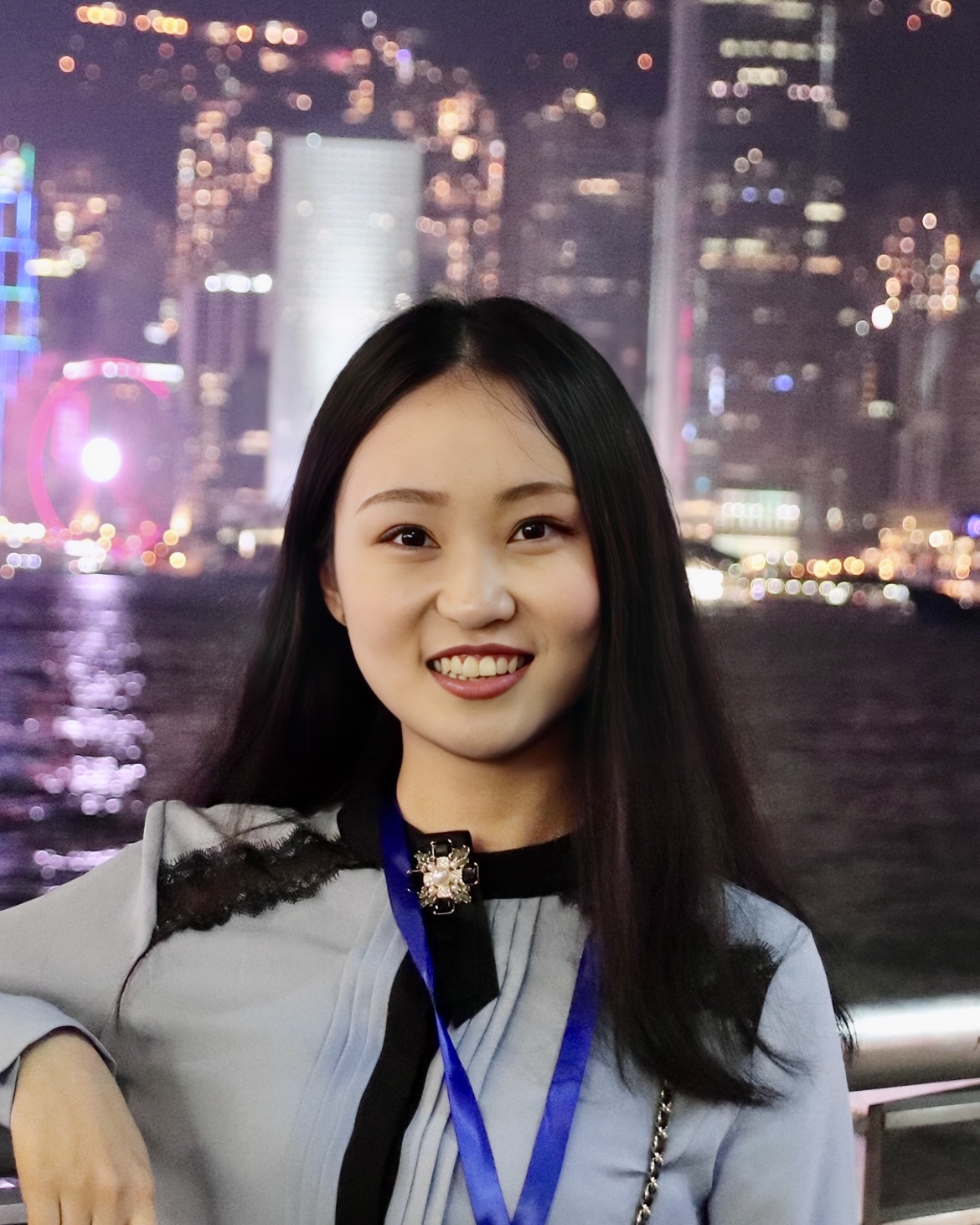

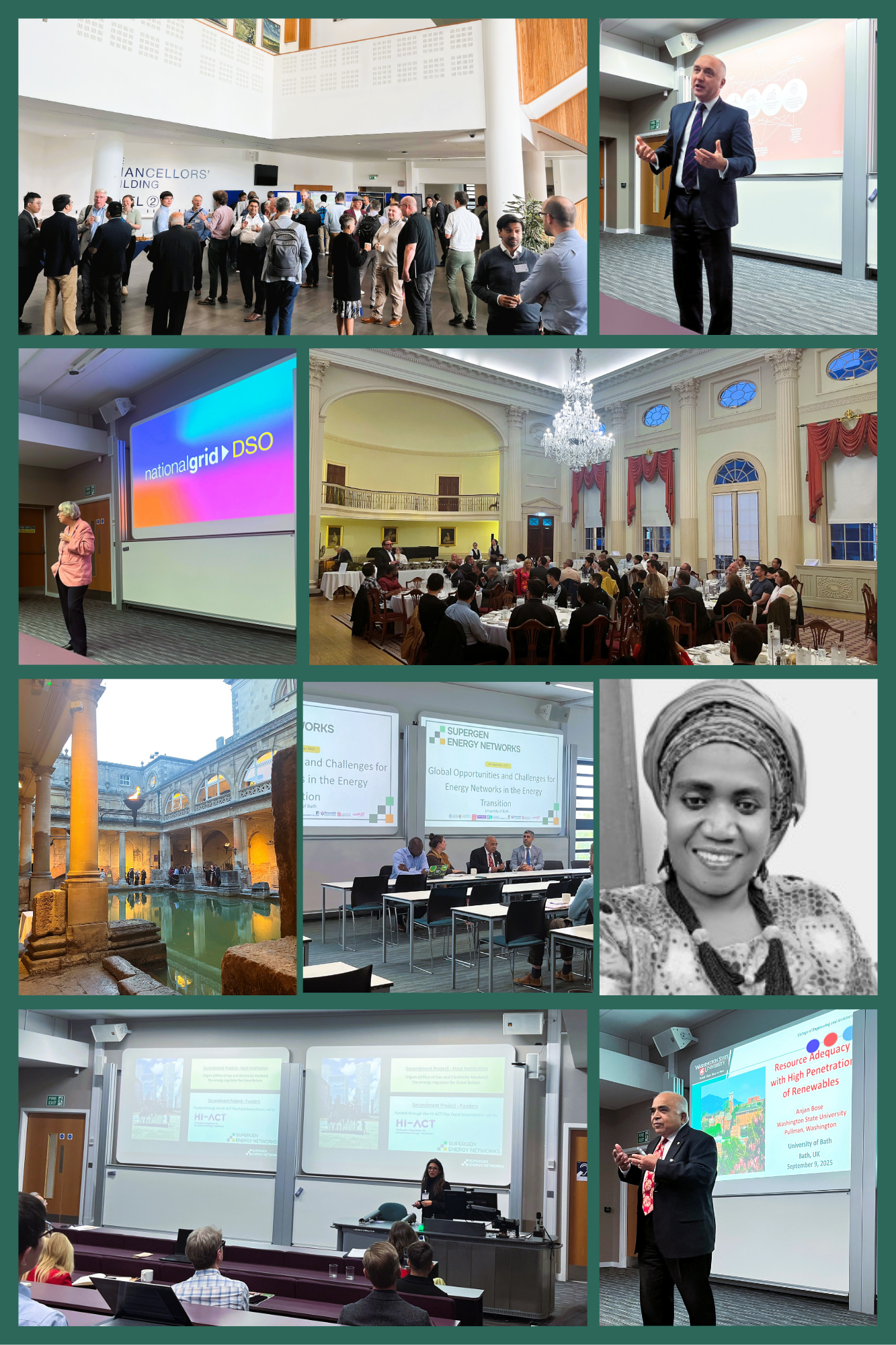







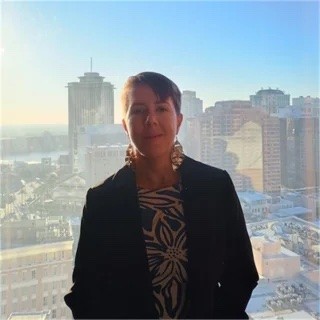
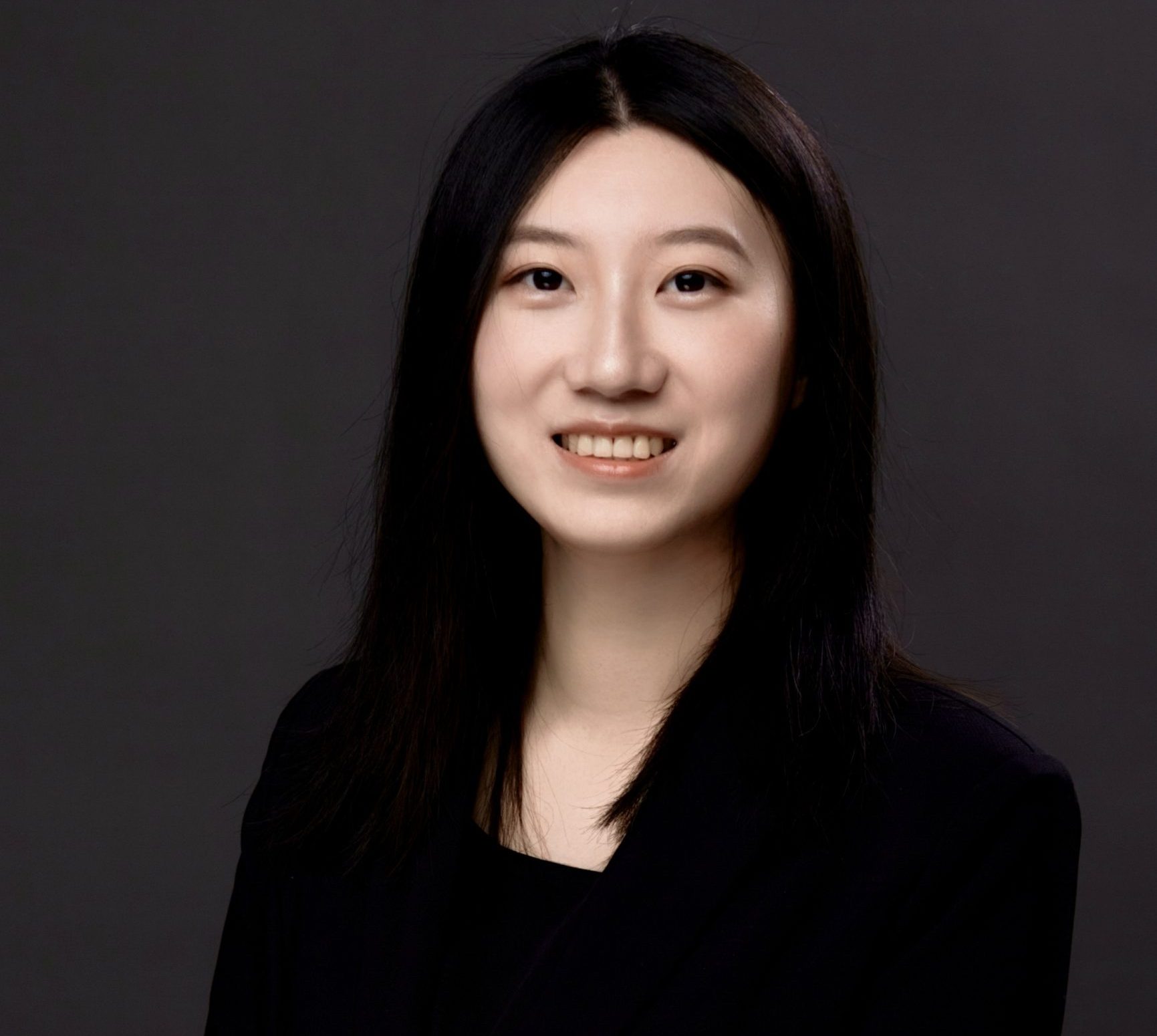


I am Wei Gan, currently a Research Associate in the School of Engineering at Cardiff University, working under the supervision of Prof. Jianzhong Wu. My research is primarily focused on the co-optimization of electric and transport networks, as well as peer-to-peer energy trading. The primary goal of this work is to alleviate congestion and reduce connection queues by effectively coordinating different networks and integrating low-carbon resources, such as photovoltaics (PVs) and electric vehicles (EVs), into the energy networks, particularly the distribution networks. To date, I have authored over 10 journal papers as either the first or corresponding author in this field.
My journey into electrical engineering and energy system research began at Huazhong University of Science and Technology in China, where I pursued both my Bachelor’s and Ph.D. degrees. During my Ph.D., I had the opportunity to spend a year and a half each as a visiting student, gaining valuable experience first at the China Electric Power Research Institute and then at the Illinois Institute of Technology in the United States. Moving to Cardiff University and joining Supergen Energy Networks marks a new stage and the fourth platform of my academic career, also representing my first step in continuing scientific research after earning my Ph.D.
The decision to continue in scientific research after completing my Ph.D. was driven by my passion to contribute meaningfully within my field of expertise, specifically toward accelerating the achievement of net-zero goals within the distribution network. I am deeply passionate about my research and firmly believe in its value. My goal is to continue and deepen my work in this area, gaining cutting-edge insights and technologies, and combining them with the real needs of the industry to maximize the impact of my research.
My journey with Supergen began in October 2021, through Prof. Jianzhong Wu at Cardiff University, who is the Co-Director of the Supergen Energy Networks (Impact) Hub for both phases 1 and 2. Since then, Supergen has been the primary supporter of my research, providing invaluable funding and a top-tier platform for my work in the UK. Supergen has enabled me to collaborate with leading scholars and industry partners both in the UK and globally in the field of energy networks. Of particular importance to me is the significant support Supergen has provided for my research on coordinating flexible resources and coupled networks to mitigate gridlock, with a focus on real-world issues in the UK that are also globally relevant. This collaboration has also allowed me to tackle cutting-edge yet practical challenges that are of great interest to industry professionals.
For example, the first photo here shows me participating in a visit led by the Supergen Energy Networks (Impact) Hub to The Integrated Transport Gas Electric Research Laboratory (InTEGReL) in 2022.


The second photo depicts my attendance at our Annual Conference in September 2023, which took place at the Royal Academy of Engineering in London. I am quite honored to have won one of the best poster prizes in the conference.
List of Winner can be found by clicking the link:
For my specific research, I am currently focused on coordinating flexible resources, primarily EVs, using methods such as peer-to-peer energy sharing and multi-vector networks to mitigate gridlock and enhance resilience within Supergen projects. My work closely aligns with the Supergen Energy Network Impact Hub’s work packages, including WP2 ‘Policy, Society and Place,’ WP3 ‘Markets and Regulation,’ and WP4 ‘Risk and Resilience,’ as well as Mission 1 ‘Energy Network Solutions for Net Zero Whole Systems Futures.’ I collaborate closely with many Supergen colleagues, including Prof. Wu, Muditha, Dan, and Sian at Cardiff University, as well as work package leads like Robin and Peter. Supergen is a tightly-knit team, and I have strong connections with almost everyone, including our Director, Prof. Phil, and our project manager, Lindsey. The vision for my work is to achieve a just transition to net zero within distribution networks by leveraging flexible resources and network coupling with minimal network upgrades. Although there are significant challenges, such as quantifying EV flexibility, incentivizing user participation in providing flexibility, and ensuring compatibility with existing distribution network operations, I am highly interested and confident in the potential of our work to contribute to the realization of net zero in energy networks.
In addition to my research work with the Supergen Energy Networks (Impact) Hub, I am also a member of its Early Career Research (ECR) committee, which aims to support ECRs both in the UK and globally. This support includes providing various levels of flexible funding, such as travel funds for research activities or grants for research topics that align with the needs of both the Supergen Energy Networks (Impact) Hub and individual ECRs. The committee also offers an open and collaborative platform for ECRs to connect and exchange ideas. Inspired by my experience with the Supergen Energy Networks (Impact) Hub, I also joined CIGRE UK NGN, where I currently serve as a team lead. My goal there is to help young researchers and professional engineers in the power industry engage with CIGRE’s activities and develop their knowledge, skills, and networks within the industry.
News and Events
Latest News
I am Wei Gan, currently a Research Associate in the School of Engineering at Cardiff University, working under the supervision of Prof. Jianzhong Wu. My research is primarily focused on the co-optimization of electric and transport networks, as well as peer-to-peer energy trading. The primary goal of this work is to alleviate congestion and reduce connection queues by effectively coordinating different networks and integrating low-carbon resources, such as photovoltaics (PVs) and electric vehicles (EVs), into the energy networks, particularly the distribution networks. To date, I have authored over 10 journal papers as either the first or corresponding author in this field.
The second photo depicts my attendance at our Annual Conference in September 2023, which took place at the Royal Academy of Engineering in London. I am quite honored to have won one of the best poster prizes in the conference.
List of Winner can be found by clicking the link:
Currently, my contract, supported by the Supergen Energy Networks (Impact) Hub, extends until October of next year. After that, I hope to maintain a close and direct relationship with the Supergen Energy Networks (Impact) Hub, whether through securing additional funding to extend my contract or by receiving flexible funding as a Principal Investigator (PI). Personally, I aspire to continue developing my academic career with the strong support of Supergen and my team at Cardiff. I aim to make significant progress in securing project funding and advancing my academic position. I also hope to establish closer collaborations with industry, ensuring that my research finds practical applications. For the Supergen Energy Networks (Impact) Hub, I hope to see its continued growth, playing a crucial role over the next five years and beyond in supporting the planning and operation of the UK’s energy networks, ultimately contributing to the realization of net zero through well-prepared and congestion-free energy networks.
News and Events
Latest News
#EmbraceEquality
Newcastle University colleagues share their thoughts on #embraceequity International Women’s Day 2023
As we celebrate International Women’s Day, it is important to reflect on the progress made towards gender equality and recognise the work that still needs to be done. The theme for International Women’s Day this year is #embraceequity.
The difference between equality and equity is subtle yet important. Equality means each individual or group of people is given the same resources or opportunities. Equity recognises that each person has different circumstances and allocates the exact resources or opportunities needed to reach an equal outcome. Equity is vital as it recognises that everybody starts from different places in life, and if we embrace equity, it promotes inclusion and diversity in everything we do.

For International Women’s Day, we asked our colleagues three questions:
- What does equality mean to you?
- What does equity mean to you?
- Can you share an example of when something you have undertaken yourself has led to a positive change in terms of gender equity? This could be in your personal or professional life.
We used the responses from the first two questions to create a word cloud, pictured in Figure 1.

“I encouraged a female PhD student to apply for a doctoral prize fellowship which she would not otherwise have considered. She successfully won the fellowship, and it has kickstarted her post-doctoral research career.”
“I had an intern helping me who was a single parent doing her bachelor’s degree and I was happy for her work hours to be flexible around her and made the effort to find her extra funding to continue the work further.”
“I was a mentor to a teenage girl through the Girls Network and hope that I supported my mentee even in small ways to realise her potential as a young woman.”
“A recent funding application was undertaken anonymously and lead to a 50/50 gender split, even age split with more ECRs and more ethnic diversity. All of these attributes help to create a more diverse and positive research culture.”
“In an event me and a few friends were running, we decided to dedicate performance slots to female artists after having male dominated line-ups for a long time. We received a positive response from our female attendees, discovered some great artists and the opportunities have helped several of the artists progress their music careers.”
One of the biggest barriers to equity is the cost of childcare, which disproportionately effects women with children as they are typically the primary care givers. We acknowledge all responses received in our survey and are aware of challenges and barriers that are present. Our colleagues and the processes that are implemented are continuously being improved to ensure that all voices are heard. It is important to challenge behaviour that unfairly discriminates against anyone in the workplace. We hope that our anonymous survey will encourage others to share their stories in the future, as well as embracing the benefits and barriers of embracing equity that exist.
See here for more inspirational stories.
#IWD2023 #EmbraceEquity
Net zero, the target of reducing our emissions by 100% by the year 2050, is a movement which most people know about and support. In a recent government survey, 87% of people had heard of net zero, and 83% reported climate change as a concern. Net zero can be accomplished by reducing our emissions into the atmosphere and increasing the amount of carbon we remove from the atmosphere (Carbon capture), so that they balance out. This process is called decarbonisation. For net zero to be a success, we must decarbonise our energy production, our buildings, our heating, and our transport. Whilst this sounds simple, in practice it is very tricky, as nearly everything we do as a species releases carbon. The average person in the UK has a carbon footprint of about 10 tonnes, meaning that the UK releases around 66 million tonnes of Carbon into the atmosphere every year! If you’re interested in learning more about your carbon footprint and ways to reduce it, check out the WWF Carbon footprint calculator.
How we move to net zero is going to affect people’s lives a lot. Whilst most of the public knows what net zero is and are supportive, less is known about the details. In fact, in the same government survey, only 9% of people said they knew a lot about the topic. This is a problem, as for net zero to be a success, people need to know about it and buy into the mission. Recent events such as the COP 26 meeting in Glasgow has given the movement more publicity. In another survey conducted in November 2021 by the research agency IPSOS, pollution and climate change were found to be Britain’s highest concern, across a range of demographics. However, other issues such as lack of faith in politicians and the economy have since overtaken them. Whilst these are important, we can’t stop thinking about our 2050 target – its only possible if we make radical change now.
The survey
To learn more about the public’s opinions and knowledge on net zero, academics here at Newcastle University recently issued a survey to 830 participants. They made sure that the people used in the survey reflected the general population, or a representative sample. A table showing a breakdown of the sample is found below:

The participants were then asked a series of questions about net zero, as well as some questions about themselves in general. The personal questions allow researchers to investigate whether people of different demographics have different views or levels of knowledge about net zero, which is important as everyone needs to be involved.
Key findings
- 7% of people rated their understanding of net zero as 5 or lower out of 10. Only 16% ranked themselves 8 or above.
- 85% of people scored how well the government had informed them about net zero as 5 or lower out of 10.
- 8% of people rated the need for net zero at 10
- Acceptance of net zero is higher than understanding
- 84% of participants agreed that there is a need to change both the electrical and gas networks.
- 75% strongly agreed that we need to change how we generate electricity
- 53% said we must eliminate fossil fuels. The rest said we should reduce our use of them.
- 35% of people thought that net zero would affect their transport habits. The rest did not or were unsure.
- Participants believe everyone should be involved in making changes, but that the most important changes rested with government and energy producers/generators.
- 70% thought that net zero would change their life at least slightly,
What does this tell us?
Firstly, the survey suggests that the general public are more clued up on net zero than the investigators thought! It was particularly good to see that knowledge of net zero is relatively consistent across different demographics.
The findings of the survey support the idea that most of the public is behind the net zero goal, especially the mission to phase out fossil fuels. It also highlights that people think most important decisions and behaviour change need to come from government and the energy producers/generators themselves, even though everyone has a part to play. This is called a top-down approach. The findings also highlight that the government and energy companies can do more to educate people about how the journey to net zero will affect everyone. However, it also shows that most people recognise that net zero is everyone’s responsibility, which is fantastic ! If us, the public, can show government and energy companies that net zero is something that we feel passionately about, then we can move towards a greener, more sustainable future together.
About the Author

Richard Afriyie Oduro is a Research Fellow at the University of Leeds who is jointly appointed by the School of Earth and Environment (SEE), and the School of Chemical and Process Engineering (SCAPE). Richard is working on the policy and society work package of the Supergen Energy Networks Hub’s project on Multi-Vector Energy Networks (MVEN).
Supergen Energy Networks Hub visit to Accra, Ghana (7 – 8th July 2022)
The Supergen Energy Networks Hub (SEN) and Ghana Energy Networks (GEN) (SEN-GEN) workshop, held on the 7-8 July 2022 gathered thirty-one (31) academic and industry stakeholders in the energy network area from the UK and Ghana. The purpose was to promote GEN as a Hub that focuses on energy networks research in Ghana, as well as to formally launch the SEN-GEN collaboration, which was initiated in March 2020, but for which in-person activities had been delayed by the COVID pandemic.
The workshop was designed to encourage greater interactions and collaborations between partners from electricity distribution, transmission, mini-grid operations and development firms, as well as researchers from Ghana and the UK.
Feedback from participants at the workshop was incredibly positive. The workshop met their expectations, and participants would like the SEN-GEN collaboration to grow to provide a bigger platform to facilitate more interactions between industry and academia.
Background of SEN-GEN Collaborations
Ghana Energy Networks (GEN) is an entity formed by the Regional Centre of Excellence in Energy and Sustainability (RCEES) at the University of Energy and Natural Resources (UENR) and The Brew Hammond Energy Centre (TBHEC) at the Kwame Nkrumah University of Science and Technology (KNUST) to focus on energy network infrastructure research across areas such as modelling, regulation and markets, policy, and risk. The Supergen Energy Networks (SEN) Hub is funded by the Engineering and Physical Sciences Research Council and is led by six (6) UK universities including Leeds, Bristol, Newcastle, Bath, Cardiff, and Manchester. The focus is on energy network infrastructure research across vectors including electricity, natural gas, heating and cooling, and hydrogen. The SEN Hub explores how an understanding of the interdependencies and interactions between different energy networks can deal with the challenges that they face.
Participating Organisations
Stakeholders participating in the workshop were drawn from across the energy networks area including regulators, policymakers, electricity distribution companies, electricity transmission companies, mini-grid developers and operators. Other stakeholders included academic institutions and consultancies working on energy networks. Apart from the main collaborators, the organisations that participated included Energy Commission, Ministry of Energy, Northern Electricity Distribution Company, Electricity Company of Ghana, Volta River Authority, Bui Power Authority, and Ghana Grid Company. There were also participants from University of Mines and Technology, Morks Reid Global, and Deloitte.
Presentations
The agenda on the first day covered six areas: a welcome address and background to the SEN-GEN collaboration; overview of the UK and Ghana energy systems; the operation of the energy networks market and regulation in the two countries; networks and data disaggregation; Ghana’s energy transition agenda; and a discussion session on potential areas for future collaboration. The second day focused on energy network management, climate change and energy networks, two demonstration projects, and another discussion session on potential research areas.
Colleagues from the UK spoke on UK energy networks challenges and responses, markets and regulation, data disaggregation, and on the impact of climate change on energy network infrastructure.
Our partners from Ghana gave talks on Ghana’s energy sector, technical regulation of energy networks, electricity distribution in low-income areas, mini-grid developments and operations in island communities, and on Ghana’s energy transition plan.
Further Discussions
The workshop concluded with discussions on next steps and collaboration opportunities between Supergen Energy Networks (SEN) and Ghana Energy Networks (GEN).
A list of short-term and medium-long term research areas were developed, including writing a review and journal paper as well as a report highlighting challenges and opportunities of Energy Networks in Ghana and the possibility to support Early Career Researchers with a 6-month secondment to SEN.
An Industry Advisory Committee (IAC) was also formed to support and review the activities of GEN which will feed into the SEN IAC based in the UK.
Xin Zhang works as a Senior Lecturer in Electronic and Electrical Engineering at Brunel University London and was recently awarded a UKRI Future Leaders Fellowship.
Transition from Industry to Academia
I worked at National Grid ESO for eight years before I returned to academia as a senior lecturer. My industry work involved in the real-time operation of the UK Electricity Transmission Systems, where I worked on shift patterns with five other shift teams and over a hundred engineers. We worked together to ensure the electricity supply met demand on a second-by-second basis, a core function of a GB Electricity System Operator.

“I am proud to tell my neighbours and friends that I was one of the power system engineers to keep the lights on”
My motivation to move to academic research initiated from a night shift when I was on the energy desk, there was so much wind on the system and the whole system was reaching security limits. I started to think about future technologies and solutions to solve real-time engineering problems. One day, I felt the power systems needed fundamental changes to accommodate more renewables, which has evolved so fast from 5% to almost 50% in the past ten years. Such fundamental change could be the combination of “3D – decarbonisation, decentralisation and digitalisation”, where I was so looking forward to participating in such energy system transitions.
I decided to take up a senior lecturer position in energy systems (future grid) at Cranfield University in April 2019. I remember the last day when I worked in the Electricity National Control Centre, I had finished my night shift at 7:00am and handed over my company budget. I told myself that I have now become a full-time academic researcher.
Research Funding
Changing career from industry to academia is never easy, particularly to establish myself in an academic research environment, where I need to set up my own research team and agenda. Research funding is a key factor to grow and sustain my research activities. In the first six months of my research career, I was lucky enough to receive my first research grant from the Flexible Fund Call from the Supergen Energy Networks Hub.
I went through a competitive funding selection process from project outlines to full proposal development. I was firmly supported by the Supergen Flexible Fund as my start-up grant to recruit my first research assistant, as well as to set up my first PhD student. With this initial support, I managed to publish two important journal papers to establish myself in the field, as well as to successfully secure future research funding including two T-TRIG grants from the Department for Transport, as well as an EPSRC Doctoral Training Partnership award.
I worked closely with the Supergen Energy Networks Hub in most of my funding applications as well as research activities. Through the Supergen Energy Networks Hub, I connected with several relevant industrial partners to strengthen my research, I was mentored by several senior Hub members. As an Early Career Researcher (ECR), I particularly valued the networking support from the Supergen Energy Networks Hub through the various hybrid events, including the Industrial Advisory Committee meetings, research webinars and regular Hub meetings in Manchester, Birmingham and London.
“Transiting career from industry to academia is never easy, that’s why I am so glad to receive a prestigious £1.8m UKRI Future Leaders Fellowship to make it happen.”
Future Leaders Fellowship
I recently applied for a Future Leaders Fellowship, during the application process, I was supported by the Hub’s internal proposal review and mock interview, which ensured that I receive the best possible support from the Energy Networks community.
In my project: “Digitalisation of Electrical Power and Energy Systems Operation”, I will lead the application and development of advanced digital technologies for the energy sector in order to improve the interoperability and whole system reliability of real-time power system operation with up to 100% low-carbon and renewable energy. This will support the digital transformation across electrical power and energy systems in order to achieve the UK’s net-zero emissions target.

The research project associated with my Fellowship will pioneer the development of cyber-physical energy systems modelling methods and co-simulation platform-as-a-service approaches to enhance real-time power system operation. The novel techniques will be deployed with regard to energy management systems in order to enhance the reliability and interoperability at the whole system level across electricity system operators (transmission, distribution and renewables).
Next Steps
I am confident in achieving future leadership in power and energy system digitalisation and leading an internationally-recognised research team supported by 11 industrial partners and research societies including Supergen Energy Networks Hub as a key project partner.
“Future Leaders Fellowships support talented people in universities, businesses, and other research and innovation environments. The aim of the scheme is to develop the next wave of world-class research and innovation leaders in academia and business.”
My Future Leaders Fellowship project will closely link with the Supergen Energy Networks Hub, with a consortium of Universities. Supported by Supergen, I will expand my academic networks with other key stakeholders in the UKRI Energy Programme including the Supergen Programme. This is important to further develop my international influence and new relationships, a key strategy to develop as a future leader in research and innovation.
Supergen Energy Networks (SEN) Hub is committed not only to researching energy networks solutions/technologies to help achieve net-zero, but also to ensuring that any future transition to net-zero is a ‘just transition’.
National Energy Action (NEA) is the national charity working to end fuel poverty in England, Wales, and Northern Ireland. The work of NEA is more important than ever, with households across the country facing rising energy bills.
On 5th April the SEN Hub and NEA hosted a joint workshop to discuss the ‘Opportunities for DNOs to address the energy crisis.’ The purpose of the workshop was to better understand the opportunities for energy networks – particularly Distribution Network Operators (DNO) – to support vulnerable customers during the energy crisis and overcome barriers that they may encounter to ensure all customers can benefit in the transition to net zero.
Aims and Objectives:
The workshop, attended by NEA, SEN researchers and industrial representatives, was successful in identifying multiple areas where DNOs could further support fuel-poor households in the context of increased energy prices. There was agreement that:
- In the short term, DNOs can help ensure low-income and vulnerable households are better supported through the current energy crisis and can use their role to press for more progressive outcomes in network charging and the recovery of supplier failure costs.
- Local Authorities and DNOs should be key partners in helping to deliver a fair and affordable transition to net zero.
- Energy efficiency forms one of three key pillars to ensuring network costs can be kept at a minimum, alongside flexibility and network upgrades, but it is the element that has been the least utilised to date.
- There is a need for greater clarity from the Government and Ofgem on the role of DNOs regarding the energy efficiency of domestic properties.
- Considerable work has been undertaken to improve the affordability of upgraded connections to the electricity network for all customers.
- More research will be required to better understand the impact of upgraded connections on the low voltage networks, including the impact on cables and EV integration, and how to enable smoother connections to the grid in a way that does not put pressure on the network.
Collaboration
Continued collaboration including a report and next steps from NEA which makes the following recommendations for both DNOs and research institutions:
- Bring together DNOs and Combined Authorities for more constructive working.
- Ensuring fairer recovery of Supplier of Last Resort (SOLR) levy costs.
- Providing clarity to DNOs regarding Energy Efficiency.
- DNOs should develop an energy efficiency beacon project
- DNOs should ensure no fuel-poor households must pay to upgrade their connection when installing a heat pump.
- Researching the impact of shallow connection costs
- DNOs and research organisations should conduct research to better understand the impact of upgraded connections on the low voltage network.
If you would like to find out more about the workshop and collaboration please get in contact with the SEN Admin Team.
Attendees:
University of Bristol (Dr Amaka Onyianta, Dr Anita Etale, Prof Phil Taylor, Dr Andreas Elombo, Prof Stephen Eichhorn), University of Cambridge (PhD Candidate Rhiannon Jones, PhD Candidate Nuala Murray, PhD Candidate Malik Al Nasir, PhD Candidate Naomi Abayasekara), University of Liverpool (Dr Laura Sandy, Prof Alison Fell), Historic Environment Scotland (Rebecca Bailey), Enact Equality (L’myah Sherae).
Workshop
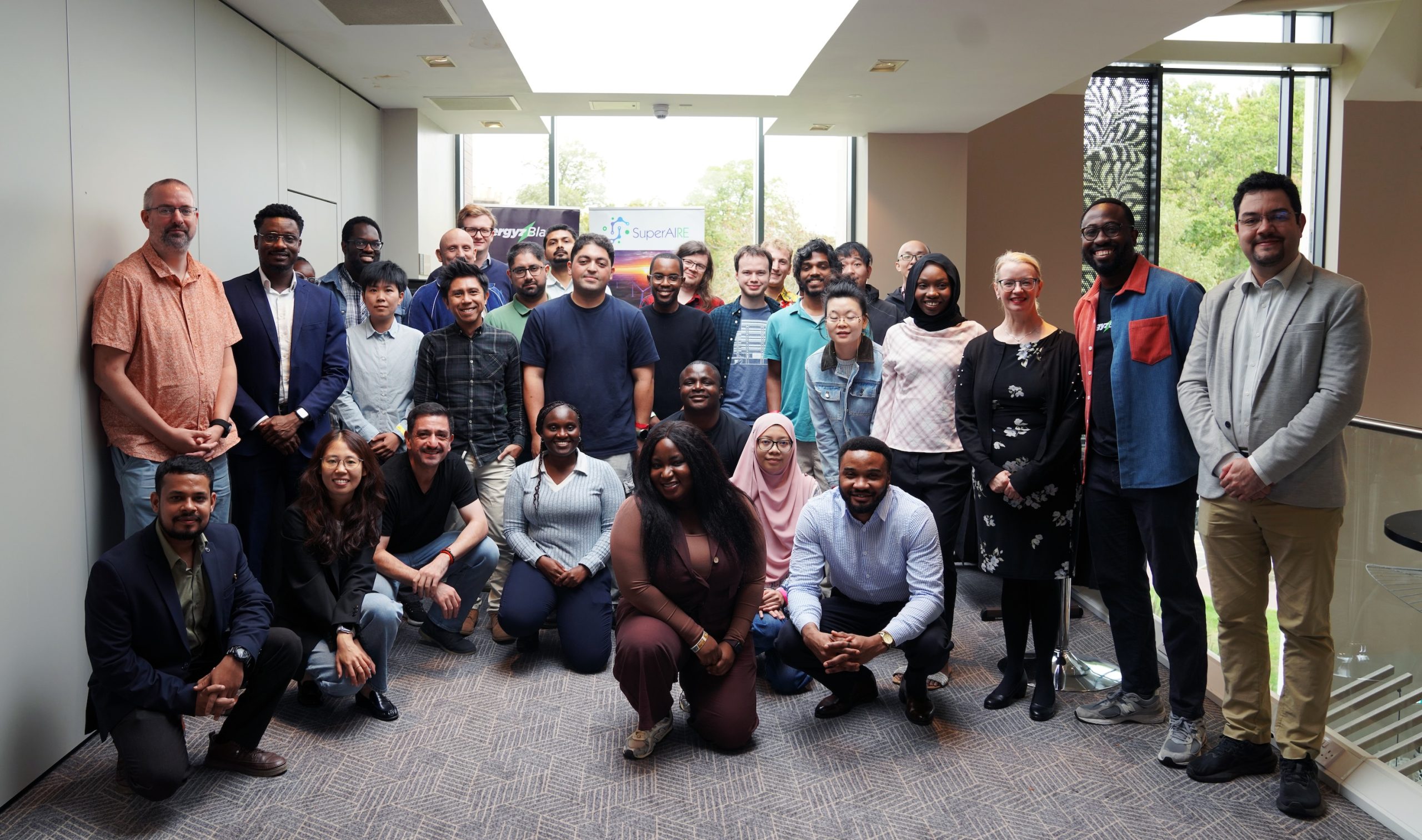
On Friday the 25th of March 2022, the Pro Vice Chancellor (Research and Enterprise) Prof. Phil Taylor and members of the Supergen Energy Networks Hub team based at the University of Bristol, hosted a roundtable workshop at Clifton Hill House, as part of the ‘Barriers to Black Academia’ symposia series, devised by Malik Al Nasir (PhD candidate at University of Cambridge and director of Yesternight Productions Ltd.) and Dr Leana Vaughn (Derby Fellow at University of Liverpool). This forms part of Supergen Energy Network Hub’s commitment to supporting equality, diversity and inclusion, and to improve participation with under-represented groups as our Hub grows.
Supergen staff were joined by barrister Katherine Anderson from Bristol’s 3PB Chambers, L’myah Sherae (founder of the All Party Parliamentary Group on Race Equality in Education and director of Enact Equality Ltd.), as well as experts from within academia, and both the public and private sectors. Delegates from across the UK gathered to discuss ‘Lifting The Barriers to Black Academia – Through Decolonisation and Positive Action’.
The objective of the roundtable workshop was to act upon the Barriers to Black Academia Analytical Report, which was written by L’myah Sherae. The report summarised the findings of a previous symposium held online – hosted by CSIS at the University of Liverpool, sponsored by Pro Vice Chancellor Prof. Fiona Beveridge – which considered the barriers faced by Black academics, and the disparities in their under-representation at all levels within the academic pipeline. The discussion revolved around three key themes; 1. The barriers faced by black academics, 2. The policy framework and how it impacts the barriers. 3. The current legislation and what needs to change.

At the University of Bristol event, the focus was on finding solutions to overcome these barriers, using – where possible, – the existing policy framework, good and best practice in equality, diversity and inclusion, and more specifically ‘widening participation’. Delegates discussed the Equality Act (2010 and the Higher Education and Research Act (2017) with the assistance of Barrister Katherine Anderson, from 3PB Chambers. Delegates formulated a series of proposals which will be summarised in a report and will form the basis of a policy paper, which will outline recommendations for policy and legislative changes. This will be presented to HE institutions, research councils, academic trusts and funding bodies, as well as relevant Education Authorities and parliamentarians.
Supergen is proud to support this joint initiative with Yesternight Productions Ltd. and hope to participate in similar events in the future.
About the Author:

Dr Adib Allahham is Senior Research Associate at School of Engineering, Newcastle University. His research focusses on renewable energy, smart grids, active buildings, electricity distribution, and multi-vector energy systems.
Adib is researcher working for the EPSRC National Centre for Energy Systems Integration (CESI), involved in the research activities of the Active Building Centre (ABC), and leading three projects funded by the Royal Academy of Engineering in the field of smart grids, energy storage, and peer-to-peer energy trading.
My journey to one of the top universities in the UK
In September of 2021 I was promoted to Senior Research Associate at Newcastle University. This was a huge career landmark for me.
I was brought up in Damascus, the Syrian capital, which is classified as the oldest continuously inhabited city in the world. It was here where I obtained my bachelor’s degree in Electrical Engineering from Damascus University and secured top rank in the five-year bachelor program
After securing my degree, I worked as a teaching assistant in the same department and institution for two years where I led the laboratory demonstration, assisted in the teaching activities, and supervised graduation project. It was during this time I received a scholarship from the French government to pursue further studies. I obtained MSc degree from the Grenoble Institute of Technology and awarded PhD from University of Joseph Fourier in 2004 and 2008 respectively.
After completion of my PhD, I worked as a post-doctoral researcher in Grenoble Institute of Technology until 2010. To fulfil my interests in research, teaching and willing to serve the home institution, I took the decision to come back to Syria, and worked as lecturer at Damascus University until 2016. Unfortunately, the Syrian conflict started in March 2011 and changed whole situation. The war forced me to re-think about research career.
How did the Syrian war affect your Engineering career?
My research and teaching duties were heavily increased as students from two other universities located in military conflict areas moved to Damascus University. In addition, I had to work as part-time lecturer in a private university to support my family as the conflict severely affected our economic situation. Due to these unforeseen situations, the safety of my family and to achieve my research goals, I had decided to leave Syria in 2015. Although the right decision, it was hard for me. I had to leave some of my family, friends, and stable job.
What are some of the unexpected challenges you faced?
I obtained a job offer from Grenoble Institute of Technology to work on an industrial project. Unfortunately, I could not obtain the visa and unable to join the French University. This was very disappointing and left me feeling down and frustrated. The most shocking in this visa rejection was that the rejection reasons were not given with the decision letter which took 67 days after the application submission.
However, I was given hope again! Whilst I was conducting research with my MSc student about Smart Grids demonstrators, I became aware of the Power Systems Group at Newcastle University. Immediately, I contacted the team leader and consequently I was offered the position of visiting researcher at Newcastle University. With this I started a new adventure with Newcastle University from June 2016.
“I took a risk by reaching out, and it paid off!“
was fortunate to work with friendly and knowledgeable researchers who included me in their research activities and gave the opportunity to develop my own research directions. In 2017, the team started to enlarge its scope of research activities to include not only Power Systems but also the Whole Energy System. This major change started with the launch of EPSRC National Centre for Energy Systems Integration (CESI) led by Newcastle University and involved 5 other universities in which I was worked as a research associate.
In fact, moving to the UK was a challenge for me and my wife and now I’m happy that I made the right decision. At the same time when I moved to Newcastle University, she was also successful in getting a Chevening Scholarship, funded by the British Foreign and Commonwealth Office. She joined and obtained a MSc degree in international development at University of East Anglia. She is now working for Gateshead Council.
What piece of advice would you give to someone who might be in a similar situation as yours?
“As long as you plan your life and you are surrounded by supportive people, you will achieve your goals sooner or later.”