
Energy Research Hackathon 2026
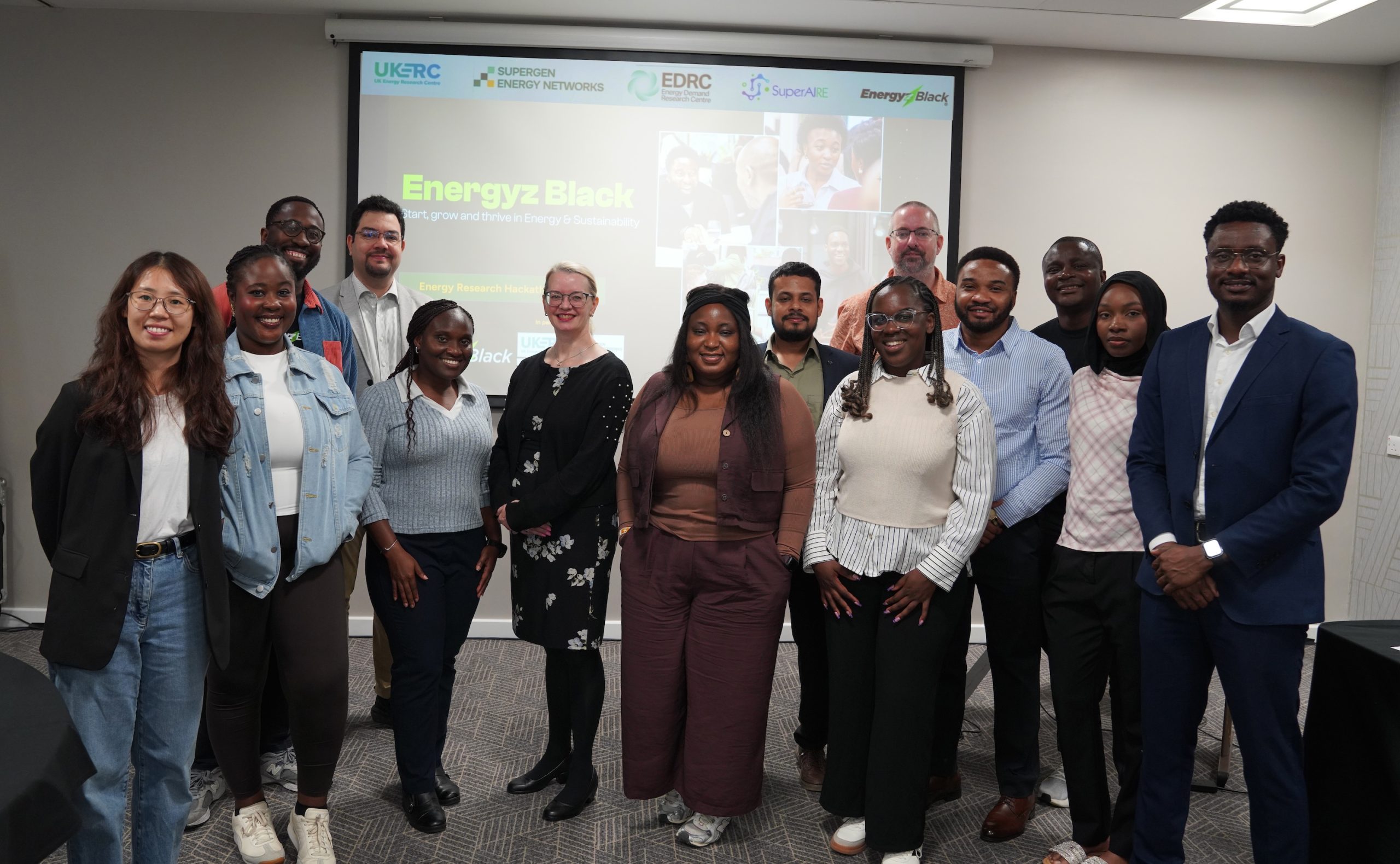
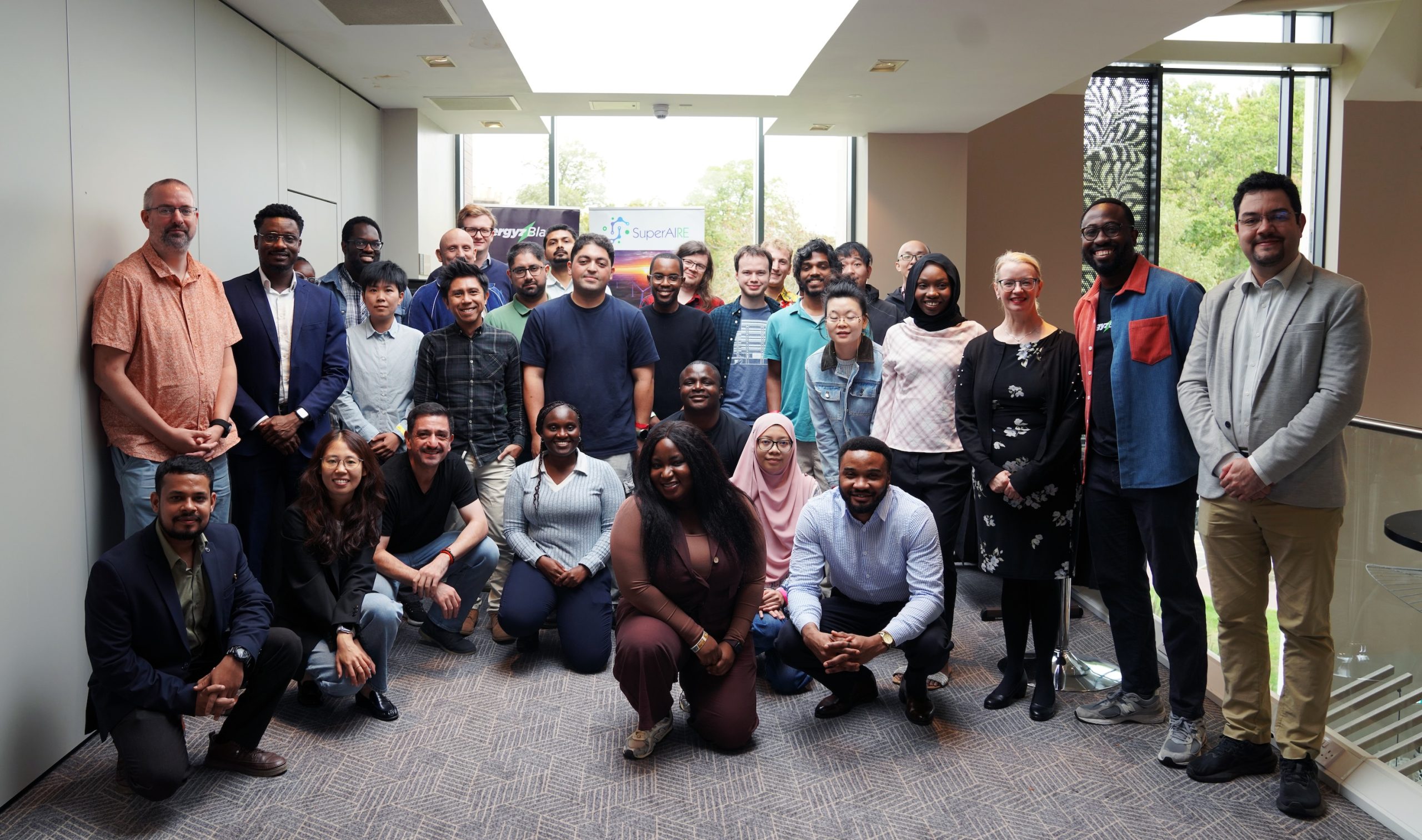
Supergen was delighted to partner with Energyz Black, UKERC, EDRC, and SuperAIRE to deliver the Energy Research Hackathon. The event brought together early-career researchers, academics, industry professionals and policy stakeholders from across the UK energy sector to collaborate on innovative solutions to real-world energy challenges.
Representing the Supergen Energy Networks Hub on the judging panel, Dr Seyyed Mostafa Nosratabadi had the opportunity to engage with participants, explore their innovative ideas, and witness first-hand the impact of bringing together diverse perspectives to address shared energy challenges. In this blog, he reflects on his experience of the event and the insights gained.
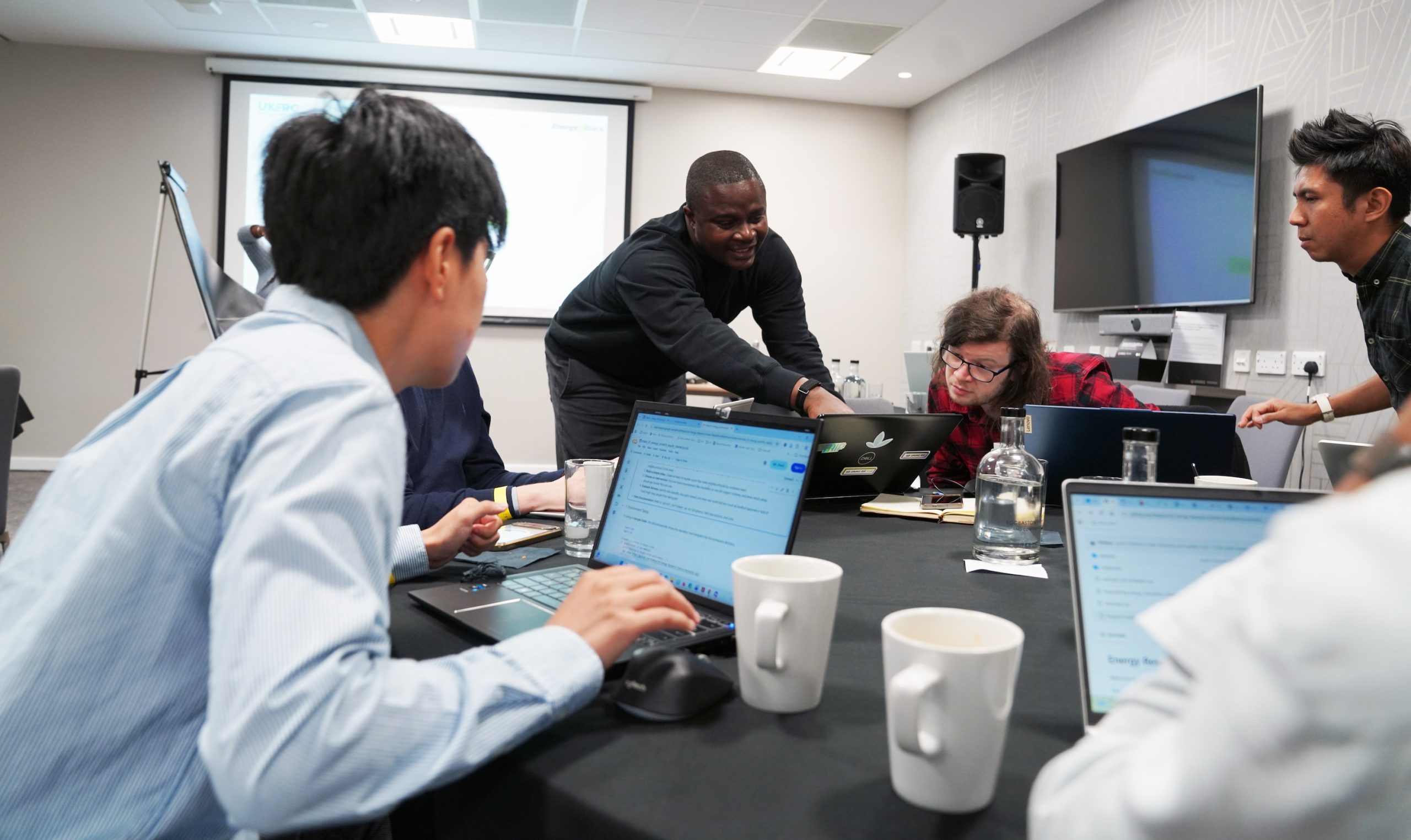
I was pleased to take part in the one-day Energy Research Hackathon, organised by Energyz Black in partnership with UKERC, Supergen Energy Networks, EDRC and SuperAIRE, and held at the Edgbaston Park Hotel and Conference Centre in Birmingham, as one of the judges.
The event brought together participants across three challenge tracks focused on energy poverty and equity, future electricity systems, and heat, buildings and decarbonisation. Each track included three teams, and throughout the day the participants worked collaboratively in two main working sessions to develop their ideas, analyse the available data, and shape their proposed solutions. It was particularly impressive to see how much progress the teams were able to make in a relatively short period of time.
In the afternoon, each team presented a 10-minute pitch followed by a 5-minute question-and-answer session. The presentations showed strong teamwork, with contributions from different team members and a clear effort to combine technical analysis with wider policy, social and practical considerations.
The judging process involved four judges, with teams assessed across several areas including the quality and relevance of their analysis, the appropriate use of data and assumptions, the clarity and reproducibility of their approach, the strength of their recommendations, and the effectiveness of their communication. What stood out most to me was the collaborative and interdisciplinary nature of the event. The teams did not simply focus on producing technical outputs; they also considered how their findings could be translated into practical recommendations and wider societal value.
On reflection, the Hackathon was a very positive experience and a great example of how collaborative, data-driven problem solving can generate useful insights in a short period of time. I was very pleased to contribute as a judge and would like to thank Energyz Black and the partner organisations for organising such an engaging and well-structured event.

Latest