News
International Collaboration – Enhancing Industry and Academic Engagement: Energy Network Challenges and Opportunities
19.10.2022


About the Author

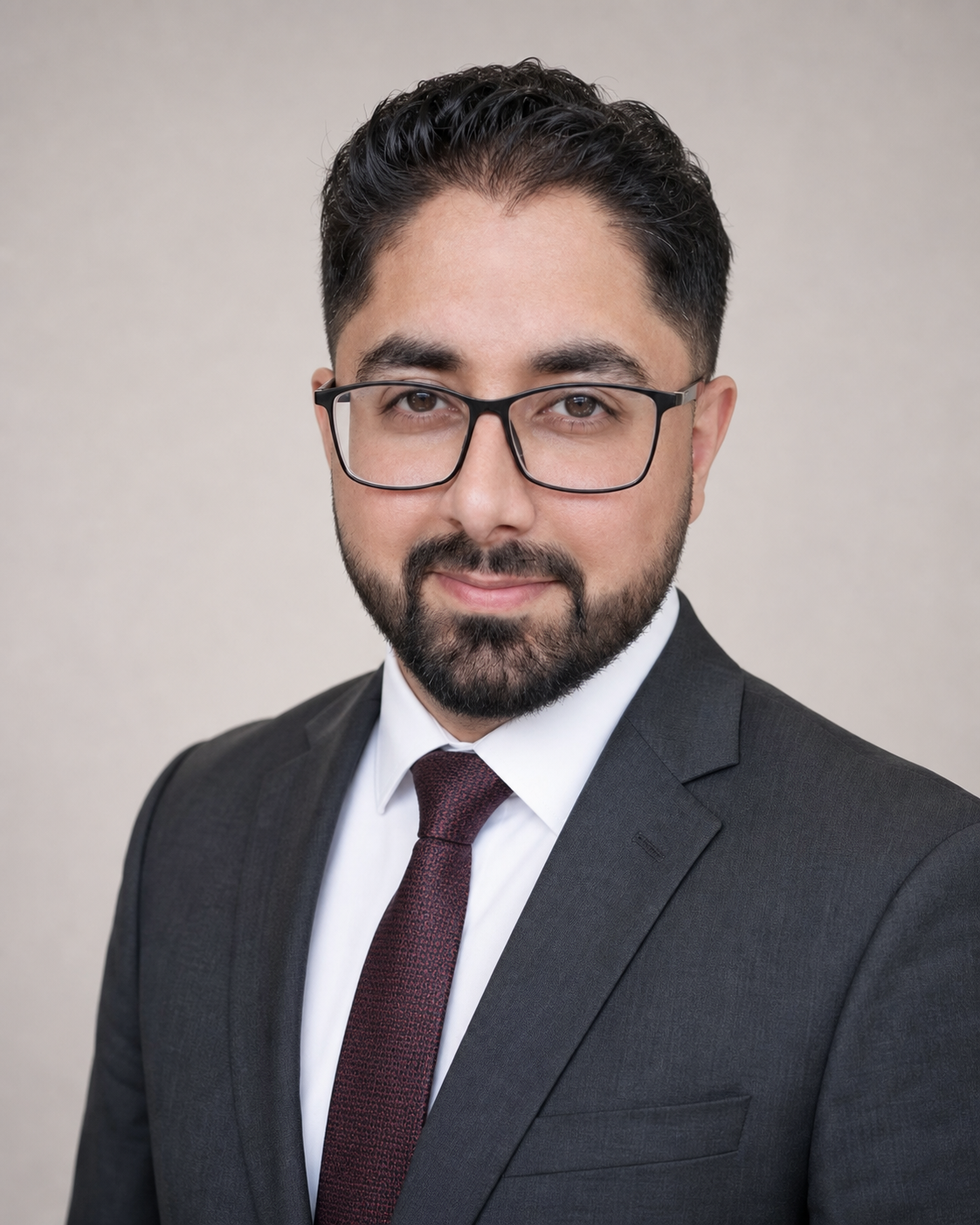
Richard Afriyie Oduro is a Research Fellow at the University of Leeds who is jointly appointed by the School of Earth and Environment (SEE), and the School of Chemical and Process Engineering (SCAPE). Richard is working on the policy and society work package of the Supergen Energy Networks Hub’s project on Multi-Vector Energy Networks (MVEN).
Supergen Energy Networks Hub visit to Accra, Ghana (7 – 8th July 2022)
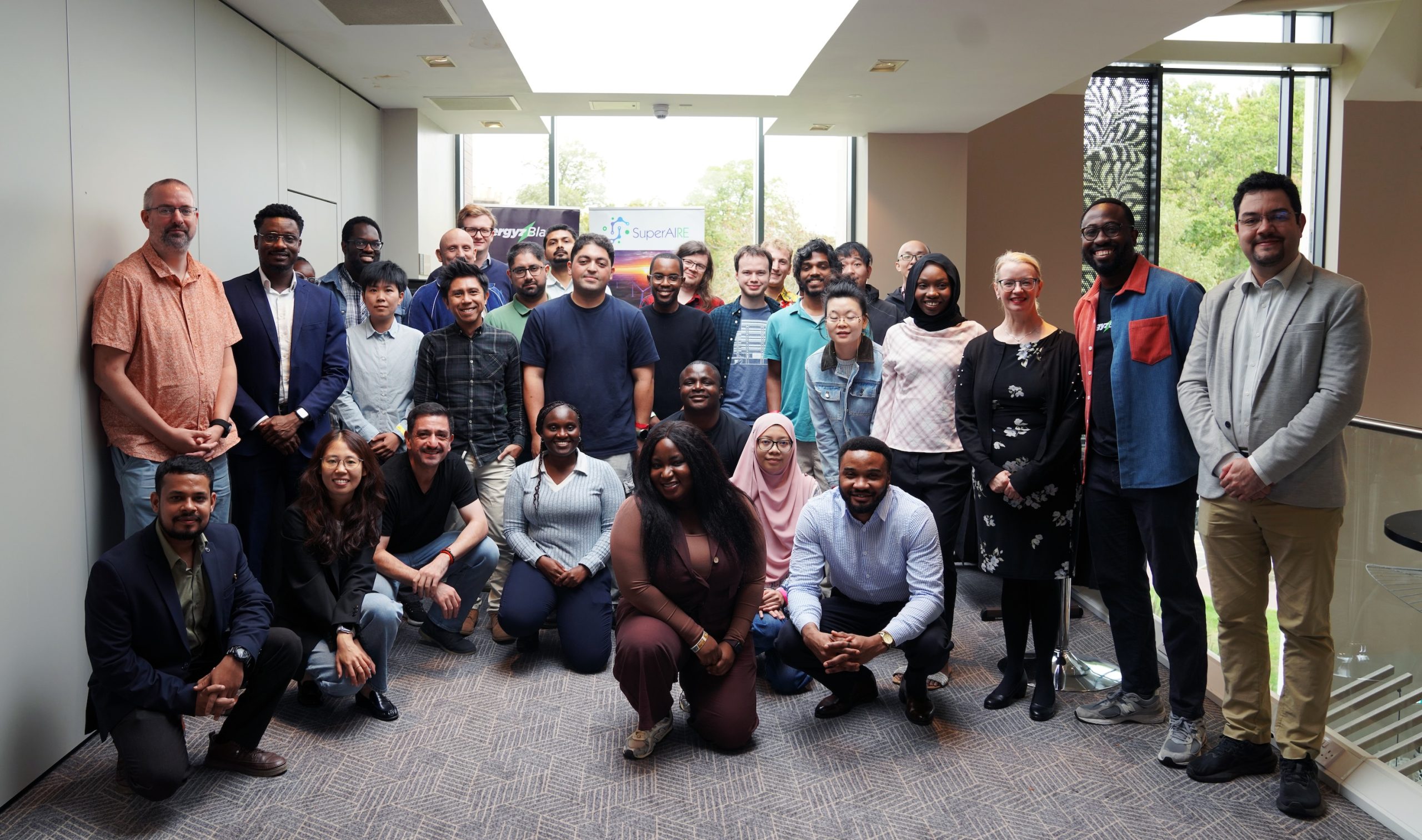
The Supergen Energy Networks Hub (SEN) and Ghana Energy Networks (GEN) (SEN-GEN) workshop, held on the 7-8 July 2022 gathered thirty-one (31) academic and industry stakeholders in the energy network area from the UK and Ghana. The purpose was to promote GEN as a Hub that focuses on energy networks research in Ghana, as well as to formally launch the SEN-GEN collaboration, which was initiated in March 2020, but for which in-person activities had been delayed by the COVID pandemic.
The workshop was designed to encourage greater interactions and collaborations between partners from electricity distribution, transmission, mini-grid operations and development firms, as well as researchers from Ghana and the UK.
Feedback from participants at the workshop was incredibly positive. The workshop met their expectations, and participants would like the SEN-GEN collaboration to grow to provide a bigger platform to facilitate more interactions between industry and academia.
Background of SEN-GEN Collaborations
Ghana Energy Networks (GEN) is an entity formed by the Regional Centre of Excellence in Energy and Sustainability (RCEES) at the University of Energy and Natural Resources (UENR) and The Brew Hammond Energy Centre (TBHEC) at the Kwame Nkrumah University of Science and Technology (KNUST) to focus on energy network infrastructure research across areas such as modelling, regulation and markets, policy, and risk. The Supergen Energy Networks (SEN) Hub is funded by the Engineering and Physical Sciences Research Council and is led by six (6) UK universities including Leeds, Bristol, Newcastle, Bath, Cardiff, and Manchester. The focus is on energy network infrastructure research across vectors including electricity, natural gas, heating and cooling, and hydrogen. The SEN Hub explores how an understanding of the interdependencies and interactions between different energy networks can deal with the challenges that they face.
Participating Organisations
Stakeholders participating in the workshop were drawn from across the energy networks area including regulators, policymakers, electricity distribution companies, electricity transmission companies, mini-grid developers and operators. Other stakeholders included academic institutions and consultancies working on energy networks. Apart from the main collaborators, the organisations that participated included Energy Commission, Ministry of Energy, Northern Electricity Distribution Company, Electricity Company of Ghana, Volta River Authority, Bui Power Authority, and Ghana Grid Company. There were also participants from University of Mines and Technology, Morks Reid Global, and Deloitte.
Presentations
The agenda on the first day covered six areas: a welcome address and background to the SEN-GEN collaboration; overview of the UK and Ghana energy systems; the operation of the energy networks market and regulation in the two countries; networks and data disaggregation; Ghana’s energy transition agenda; and a discussion session on potential areas for future collaboration. The second day focused on energy network management, climate change and energy networks, two demonstration projects, and another discussion session on potential research areas.
Colleagues from the UK spoke on UK energy networks challenges and responses, markets and regulation, data disaggregation, and on the impact of climate change on energy network infrastructure.
Our partners from Ghana gave talks on Ghana’s energy sector, technical regulation of energy networks, electricity distribution in low-income areas, mini-grid developments and operations in island communities, and on Ghana’s energy transition plan.
Further Discussions
The workshop concluded with discussions on next steps and collaboration opportunities between Supergen Energy Networks (SEN) and Ghana Energy Networks (GEN).
A list of short-term and medium-long term research areas were developed, including writing a review and journal paper as well as a report highlighting challenges and opportunities of Energy Networks in Ghana and the possibility to support Early Career Researchers with a 6-month secondment to SEN.
An Industry Advisory Committee (IAC) was also formed to support and review the activities of GEN which will feed into the SEN IAC based in the UK.